
Buying a car is often seen as a one-time expense: you pay for the vehicle, and then the running costs are just fuel and occasional maintenance. However, anyone who has owned a car for even a few years knows that this is far from the truth. The real cost of owning a car includes hidden expenses that many people overlook when budgeting for a new vehicle. Understanding these costs is crucial to avoid surprises and manage your finances better.
The expenses associated with owning a car go beyond the obvious monthly payments and fuel bills. From maintenance and insurance to depreciation and registration fees, these hidden costs can add up to thousands of dollars each year. Even small, seemingly insignificant expenses—like parking fees or car washes—can accumulate over time. People often underestimate these costs, which can turn what seemed like an affordable car into a surprisingly expensive investment.
In this article, we will explore the hidden costs of car ownership in detail, explaining why they matter and how you can manage them. By the end, you’ll have a complete understanding of the true price of having a car—beyond the sticker price.
Depreciation: The Silent Expense
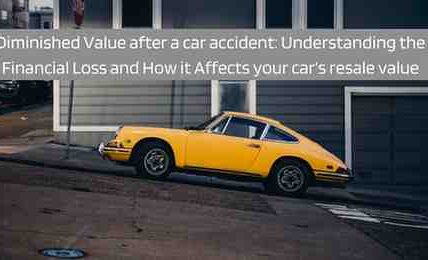
One of the largest hidden costs of owning a car is depreciation. Depreciation is the decline in a car’s value over time. New cars lose value the moment you drive them off the lot, and their resale value continues to drop every year. On average, a car can lose 20-30% of its value in the first year and nearly 60% in five years.
Depreciation is not a cost you pay directly, but it affects your finances if you plan to sell or trade in your car. Choosing a car with slower depreciation or buying a used car can help reduce this hidden expense.
Insurance Costs
Car insurance is mandatory, but the full cost of coverage is often underestimated. Insurance premiums depend on factors like the car model, your driving history, age, location, and coverage type. Luxury or high-performance cars typically cost more to insure.
Moreover, claims, deductibles, and increases in premium over time can significantly add to the total cost. Even minor accidents or speeding tickets can raise your insurance rates, creating a hidden financial burden many owners overlook.
Maintenance and Repairs
Routine maintenance like oil changes, tire rotations, and brake checks are expected costs, but unexpected repairs are where hidden costs creep in. Modern cars, especially luxury or high-tech models, often require expensive parts and specialized labor.
Issues like transmission failures, electronic malfunctions, or sensor replacements can cost thousands of dollars. Even regular wear and tear, if ignored, can escalate into major repairs, making maintenance a substantial hidden expense.
Fuel Costs
While fuel seems straightforward, the true cost is influenced by factors like driving habits, traffic, and fuel efficiency. Frequent short trips, heavy city traffic, or aggressive driving can lower fuel efficiency dramatically. Rising fuel prices can also make a car far more expensive to operate than initially anticipated.
Electric cars reduce fuel costs but come with charging infrastructure expenses and higher upfront prices, which are often hidden when calculating total ownership cost.
Registration, Taxes, and Fees
Vehicle registration, taxes, and inspection fees are recurring costs that many first-time car buyers underestimate. Depending on your country or state, annual registration fees, emissions tests, or road taxes can add several hundred dollars per year.
Luxury cars or imported vehicles often come with higher taxes and fees, further increasing the hidden cost of ownership.
Parking and Tolls
Parking fees, tolls, and permits are frequently overlooked but can add up quickly. In urban areas, daily parking costs at workplaces or public locations can reach thousands annually. Tolls on highways or bridges also become a regular expense for commuters. These costs are not always included when calculating the budget for owning a car but are very real for daily drivers.

Depreciation of Tires and Accessories
Tires are another hidden cost that many car owners overlook. High-quality tires wear out depending on driving style and road conditions, and replacing a full set can be expensive. Other accessories like wipers, floor mats, or infotainment system upgrades also contribute to the overall cost. Over the lifetime of a car, these small but recurring expenses can add up significantly.
Financing and Interest Payments
If you buy a car with a loan, the interest on your financing is a hidden cost. Many people focus on the monthly payment without realizing how much they end up paying in interest over the loan term. High-interest rates, long loan durations, or additional financing fees can significantly increase the total cost of owning a car beyond the sticker price.
Wear and Tear on Roads
Driving a car also indirectly adds to hidden expenses. Frequent trips increase wear on tires, brakes, and suspension components. Roads in poor condition or harsh climates accelerate wear, leading to more frequent maintenance and replacements. Even minor neglect of these components can escalate into costly repairs over time.
Unexpected Accidents and Incidents
No matter how careful a driver you are, accidents, scratches, or vandalism can happen. Minor incidents may require paint touch-ups, dent repairs, or windshield replacements, which are often not included in initial cost calculations. These unpredictable expenses can make car ownership surprisingly expensive.
Environmental Costs
Cars contribute to environmental degradation through fuel consumption, emissions, and battery disposal (in electric cars). While these are not direct financial costs, some governments are introducing carbon taxes, environmental levies, or congestion charges. Owners may unknowingly pay additional fees related to their car’s environmental impact.
Conclusion
Owning a car involves far more than the initial purchase price. Hidden costs like depreciation, insurance, maintenance, fuel, registration, parking, and financing interest add significantly to the true price of ownership. Many drivers underestimate these expenses, leading to unexpected financial strain.
By understanding these hidden costs, car owners can budget more effectively, make smarter purchase decisions, and reduce unnecessary expenses. Choosing reliable vehicles, maintaining them properly, and considering total ownership costs rather than just the sticker price can make a huge difference. Cars provide convenience and mobility, but it’s essential to recognize that the financial commitment extends far beyond what meets the eye.