
Your car’s engine is one of the most complex and important parts of your vehicle. It powers everything, from acceleration to air conditioning, and keeps your car moving safely. While driving, you may notice different engine noises, some of which are perfectly normal and others that indicate serious problems. Understanding the difference between normal and abnormal engine sounds is essential for maintaining your car, avoiding expensive repairs, and ensuring your safety on the road.
Many drivers ignore unusual noises until it’s too late, resulting in costly repairs or even complete engine failure. On the other hand, some engine sounds, like ticking or humming, are part of normal operation and should not be a cause for worry. This article explains the common engine noises, why they happen, and which ones require immediate attention. By learning to recognize these sounds, you can protect your car and your budget.
Normal Engine Noises
Modern engines are designed with precision, and even the smoothest-running engine produces some noises. Knowing which sounds are normal will help you avoid unnecessary worry.
1. Engine Tick or Click
A soft ticking or clicking noise is often caused by the valves opening and closing in the engine. This happens naturally as the engine burns fuel and pushes pistons. In many modern engines, a slight ticking sound is considered normal, especially in cold weather or right after starting the car.
2. Humming or Whirring
A gentle humming or whirring noise may come from belts, pulleys, or the alternator. These components rotate at high speeds and produce a consistent sound during engine operation. If the noise is constant, even at idle, it’s usually normal.
3. Fuel Injector Noises
Fuel injectors spray fuel into the engine cylinders, and they produce a subtle clicking sound when operating. Most drivers don’t notice it, but a rhythmic clicking in a healthy engine is normal and indicates that the fuel system is functioning correctly.
4. Fan and Cooling System Sounds
Engines generate heat, and cooling fans or water pumps work to prevent overheating. A low humming or soft whirring from the cooling system is expected, especially when the engine is running hot or the air conditioning is on.
5. Engine Start-Up Noises
When starting a cold engine, it’s common to hear a louder than usual start-up noise. This is due to oil circulating for the first time and parts moving after being stationary. Once the engine warms up, the sound usually disappears.
Abnormal Engine Noises
While some engine noises are harmless, others are warning signs of mechanical problems. Ignoring these noises can lead to costly repairs or breakdowns.
1. Knocking or Pinging
A knocking or pinging noise often indicates pre-ignition or detonation, where the air-fuel mixture ignites prematurely in the engine cylinder. This can be caused by:
- Low-quality fuel
- Incorrect octane rating
- Carbon buildup inside the engine
- Engine timing issues
Ignoring knocking can damage pistons, cylinders, and valves, potentially leading to complete engine failure.
2. Grinding or Scraping
Grinding or scraping noises from the engine or transmission indicate serious mechanical issues. Possible causes include:
- Worn-out bearings
- Failing clutch or transmission components
- Broken internal parts
These noises require immediate attention to prevent catastrophic damage.
3. Squealing or Screeching Belts
While a gentle hum from belts is normal, loud squealing or screeching is not. It usually means a worn, loose, or misaligned belt, which could affect the alternator, water pump, or air conditioning. If ignored, the belt may snap, leaving the car stranded and causing secondary engine damage.
4. Hissing or Steam Sounds
Hissing, like steam escaping, often points to a coolant leak or overheating problem. The engine may produce white smoke, or the temperature gauge may rise. Ignoring these signs can lead to severe engine damage, including blown head gaskets or warped engine components.
5. Rattling or Clunking
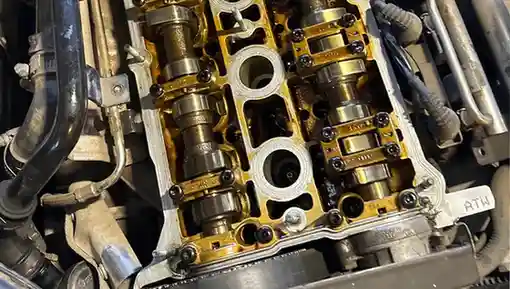
Rattling or clunking noises often come from loose or worn engine mounts, exhaust components, or internal parts. Persistent rattles indicate that something is moving improperly, which can lead to engine misalignment or further mechanical damage.
Causes Behind Abnormal Engine Noises
Understanding why abnormal engine noises occur can help you address them quickly.
- Lack of Maintenance: Skipping oil changes or ignoring fluid checks reduces lubrication, increasing wear and producing noises.
- Low-Quality Fuel: Poor fuel can cause knocking, misfires, or deposits in the engine.
- Worn Components: Belts, bearings, and mounts wear out over time, causing squealing, grinding, or rattling.
- Overheating: Engines running hot can expand metal components, create unusual noises, and damage critical parts.
- Mechanical Failures: Pistons, valves, and transmission parts can fail, producing harsh knocking, grinding, or clunking.
What to Do When You Hear Abnormal Noises
If your engine makes unusual sounds, acting quickly can save money and prevent breakdowns.
- Identify the Source: Listen carefully to determine whether the noise comes from the engine, transmission, belts, or exhaust.
- Check Fluids: Ensure oil, coolant, and transmission fluids are at proper levels. Low fluid often causes knocking or whining noises.
- Avoid Driving Aggressively: Reduce speed and avoid heavy acceleration until the problem is diagnosed.
- Consult a Professional: Visit a trusted mechanic for a thorough inspection. Ignoring abnormal noises can escalate repair costs.
- Keep Records: Note when and under what conditions the noise occurs; this helps mechanics identify the problem quickly.
Preventing Engine Noises
While some noises are inevitable, you can minimize abnormal sounds with proper care:
- Change oil and filters on schedule.
- Use high-quality fuel and oil.
- Inspect belts, pulleys, and mounts regularly.
- Monitor coolant levels and temperature.
- Schedule regular engine check-ups to catch small issues before they escalate.
Preventive maintenance not only reduces engine noise but also extends your vehicle’s lifespan and improves performance.
The Importance of Knowing Normal vs Abnormal Noises
Understanding engine sounds allows drivers to differentiate between harmless operation and potential problems. Normal noises are part of everyday engine function, while abnormal noises signal that something is wrong. Recognizing the difference:
- Saves money on costly repairs.
- Prevents breakdowns on the road.
- Increases safety for the driver and passengers.
- Extends the life of the engine and other components.
Ignoring the distinction between normal and abnormal engine sounds is a common mistake that can lead to severe consequences.
Conclusion
Your car’s engine communicates with you through sounds. While normal noises like ticking, humming, and soft whirring are part of everyday operation, abnormal noises such as knocking, grinding, squealing, hissing, or rattling signal problems that should not be ignored.
By learning to recognize these sounds, maintaining your car properly, and consulting a mechanic when necessary, you can prevent expensive repairs, avoid breakdowns, and ensure your engine lasts longer. Every noise is a message from your car—listening carefully can save you money, stress, and potential danger on the road.
Understanding the difference between normal and abnormal engine noises is not just a matter of curiosity; it’s an essential part of responsible car ownership. Paying attention today can prevent major expenses tomorrow.