
Buying a car often comes with a promise of security: a manufacturer’s warranty. It’s meant to protect you against unexpected mechanical failures, giving you peace of mind. But what many car buyers don’t realize is that warranties are full of hidden tricks and limitations. If you’re not careful, you could end up paying for repairs that you thought were covered or miss out on benefits that could save you money.
Car warranties sound straightforward, but the reality is often more complicated. Dealers and manufacturers use fine print, exclusions, and conditions to limit their liability. Some warranties only cover certain parts, require strict maintenance schedules, or are voided if you use aftermarket parts. Understanding these tricks is essential to make your warranty work for you and avoid unnecessary financial surprises.
This article explores the untold truth behind car warranties, explains how manufacturers structure them, and provides tips to get the most value from your coverage. By the end, you’ll know how to protect your investment without falling for common warranty traps.
What Is a Car Warranty?
A car warranty is a contract between you and the manufacturer or dealer that promises to repair or replace certain parts if they fail within a specified period. Warranties vary in length and coverage, often ranging from 3 to 7 years or a specific number of miles.
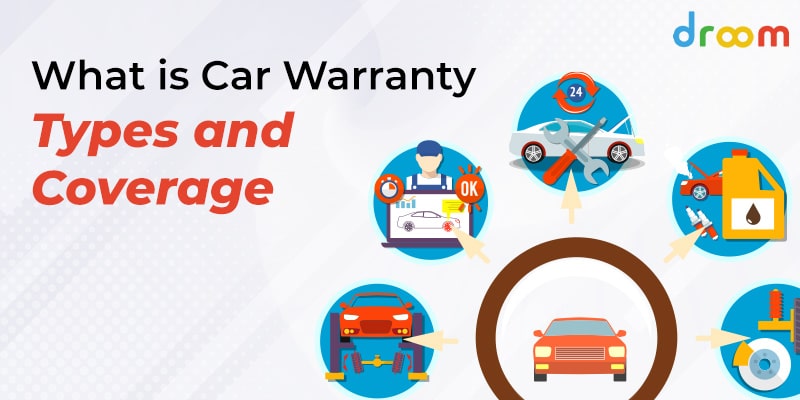
The main types of warranties include:
- Bumper-to-Bumper Warranty: Covers almost everything except wear-and-tear items like tires or brake pads.
- Powertrain Warranty: Covers the engine, transmission, and drivetrain.
- Corrosion or Rust Warranty: Covers rust damage to the car body.
- Roadside Assistance: Offers help in emergencies like towing or flat tires.
While these warranties sound comprehensive, there are tricks and limitations that can surprise car owners.
Common Car Warranty Tricks
1. Exclusions and Fine Print
Many warranties come with fine print that limits coverage. For example, a powertrain warranty might exclude turbochargers, hybrid battery systems, or even certain engine components. If you don’t read the details, you might assume you’re fully protected when you’re not.
2. Maintenance Requirements
Most warranties require strict adherence to scheduled maintenance. Missing a single oil change or service can void your warranty. Dealers often recommend services that are more expensive than necessary, increasing costs for buyers who want to stay covered.
3. Dealer Restrictions
Some warranties only allow repairs at authorized dealerships, which can be more expensive than independent mechanics. This restriction forces you to pay higher labor rates, even for minor repairs that could be cheaper elsewhere.
4. Short Coverage Periods
While warranties are advertised as multi-year deals, the actual coverage for expensive components may be much shorter. For example, the engine might be covered for 5 years, but electrical components or infotainment systems may only be covered for 1-2 years.
5. Aftermarket Parts Void Warranty
Installing aftermarket parts or performance upgrades can void your warranty, even if the issue is unrelated. Dealers may deny claims by claiming modifications caused the problem, forcing you to pay out-of-pocket.
6. Hidden Fees
Some warranties include processing fees, service charges, or inspection costs that reduce the overall value of the coverage. Buyers often assume repairs are free, but these extra fees can add up quickly.
How to Make Your Warranty Work for You
Even with these tricks, you can still benefit from your car warranty if you understand it and use it wisely:
- Read the Fine Print: Understand exactly what is covered, what is excluded, and the maintenance requirements.
- Follow the Maintenance Schedule: Keep records of all services to prove compliance.
- Ask About Dealer Restrictions: Know where you can have repairs done without voiding coverage.
- Check for Extended Warranty Options: Some manufacturers offer longer coverage for specific components.
- Avoid Unnecessary Modifications: Stick to manufacturer-approved parts and avoid changes that could void coverage.
- Clarify Fees: Ask about any processing or service fees before agreeing to repairs.
By being proactive and informed, you can maximize the value of your warranty and avoid paying for repairs that should be covered.
The Bottom Line
Car warranties are valuable tools, but they are often designed to favor manufacturers and dealers, not the buyer. Hidden exclusions, strict maintenance rules, and fine print can turn what seems like protection into a costly surprise.
The untold truth is simple: a warranty is only as good as your understanding of it. By reading carefully, following rules, and asking questions, you can ensure that your warranty provides the protection you expect. It’s not about avoiding coverage—it’s about using it smartly to protect your investment and avoid unnecessary expenses.