
Buying a car is one of the biggest investments most people make. While the sticker price grabs attention, the true cost of ownership extends far beyond the purchase. Fuel, insurance, maintenance, repairs, depreciation, and even financing costs can add up over time. Choosing the right car can save you thousands of dollars over a five-year period, while picking the wrong one can silently drain your finances.
Many buyers focus solely on appearance or features, ignoring long-term expenses. Cars that seem affordable upfront can turn out to be expensive over time because of poor fuel efficiency, high insurance premiums, or frequent repairs. On the other hand, careful planning and research can help you select a car that fits your budget, lifestyle, and future financial goals.
This article explores how making the right car choice can lead to substantial savings over five years, highlighting key factors to consider and strategies to minimize ownership costs.
1. Understanding Total Cost of Ownership
The total cost of owning a car goes beyond the initial purchase price. It includes:
- Fuel Costs: How much you spend at the pump over time.
- Insurance Premiums: Vary depending on car model, safety features, and age.
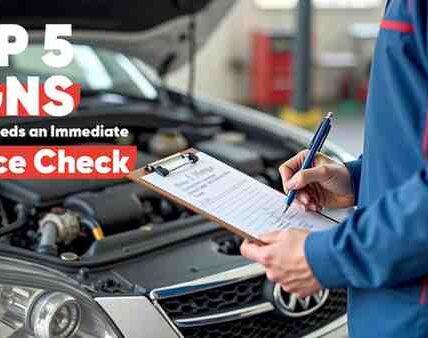
- Maintenance and Repairs: Routine servicing, unexpected repairs, and replacement parts.
- Depreciation: The loss of vehicle value over time.
- Financing Costs: Interest paid on loans if the car is financed.
By considering all these factors before buying, you can identify cars that are truly affordable over the long term.
2. Fuel Efficiency Matters
Fuel is one of the largest recurring expenses for most drivers. Cars with low fuel efficiency cost hundreds or even thousands more over five years. For example:
- A car with 25 MPG may cost around $3,500 in fuel annually for an average driver.
- A car with 40 MPG may cost around $2,200 annually.
Over five years, the more fuel-efficient car saves over $6,000. Hybrid and electric vehicles often offer even greater savings, especially for city driving.
3. Insurance Costs Can Vary Widely
Insurance premiums depend heavily on the car’s make, model, age, and safety rating. Luxury or sports cars typically have higher insurance rates, while small, reliable vehicles are cheaper to insure.
For example:
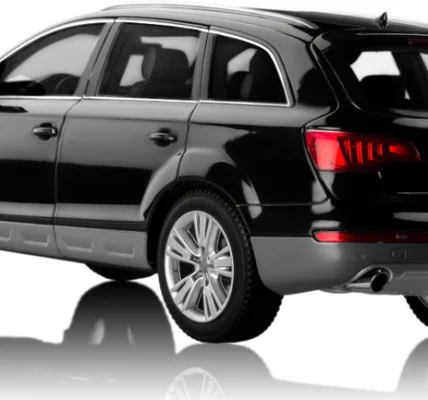
- Insuring a luxury SUV may cost $1,500–$2,000 annually.
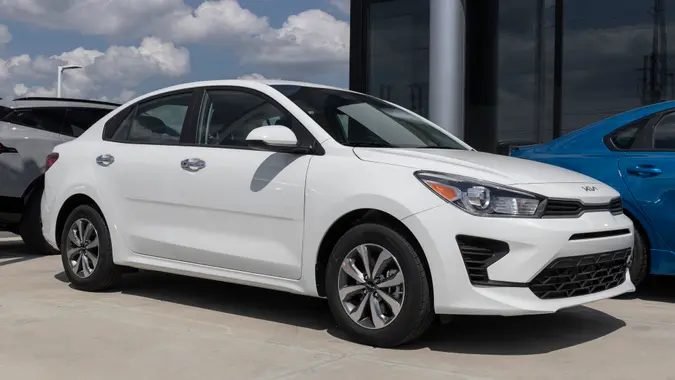
- Insuring a reliable compact sedan may cost $800–$1,000 annually.
Over five years, choosing a car with lower insurance costs can save $3,000–$5,000. Safety features like airbags, anti-lock brakes, and collision avoidance systems can also reduce premiums.
4. Maintenance and Repairs
Maintenance costs differ significantly between car types. High-end or exotic cars often require specialized parts and service, which are much more expensive than regular vehicles. Reliable mainstream brands tend to have lower repair costs and widely available parts.
For example:
- Replacing brake pads on a luxury car may cost $500.
- On a standard sedan, the same service may cost $150–$200.
Over five years, choosing a reliable car with low maintenance costs can save several thousand dollars.
5. Depreciation and Resale Value
Depreciation is often the largest hidden cost of owning a car. Cars lose value quickly, especially in the first few years. Vehicles with slow depreciation retain more value, reducing the financial loss if you sell or trade in your car.
- Some cars lose 40–50% of their value in five years.
- Reliable brands like Toyota, Honda, and Subaru often lose 30–35%, offering better long-term value.
Choosing a car with strong resale value ensures you get more money back when selling, saving thousands.

6. Financing Costs
If you finance your car, the interest paid on loans adds to the total cost. A higher purchase price or longer loan term means more interest.
- A $30,000 car financed over 5 years at 6% interest costs around $4,800 in interest.
- Choosing a more affordable or fuel-efficient car can reduce both the principal and interest, saving money over the life of the loan.
7. The Importance of Reliability
Cars with proven reliability are less likely to have unexpected repairs. Buying a dependable vehicle reduces the risk of expensive breakdowns and keeps your total ownership cost predictable. Checking consumer reports, reliability ratings, and owner reviews before buying can prevent costly mistakes.
8. Choosing the Right Features
Some features increase the upfront price without significantly improving long-term savings. For example:
- Leather seats or advanced infotainment systems are attractive but rarely improve efficiency.
- Safety features like adaptive cruise control or lane-keeping assist may increase upfront cost but reduce insurance premiums and accident risk, saving money in the long run.
Choosing features wisely can optimize your investment and reduce hidden costs.
9. Practical Examples of Savings
Consider two scenarios over five years:
Scenario 1: Buying a luxury SUV with high insurance, low fuel efficiency, and expensive maintenance.
- Fuel: $12,000
- Insurance: $8,500
- Maintenance: $5,000
- Depreciation: $25,000 Total Cost: $50,500
Scenario 2: Buying a reliable compact sedan with high fuel efficiency and low maintenance.
- Fuel: $6,500
- Insurance: $4,500
- Maintenance: $2,000
- Depreciation: $15,000 Total Cost: $28,000
Savings over five years: $22,500
This shows how the right choice can save thousands without sacrificing quality or comfort.
Conclusion
Choosing the right car is about more than the sticker price. Factors like fuel efficiency, insurance costs, maintenance, depreciation, financing, and reliability all influence the total cost of ownership. By considering these aspects carefully, you can save thousands of dollars over five years, reduce financial stress, and enjoy a more efficient, reliable vehicle.
Making a smart car choice is an investment in your financial future and peace of mind. It’s not just about getting from point A to point B—it’s about making your money work for you while enjoying the convenience and freedom of owning a car.