
Buying a car is an exciting experience. You pick the color, test drive your favorite model, and imagine all the adventures you’ll have. But there’s one thing that many car buyers don’t realize: the moment you drive your new car off the lot, it starts losing value. This phenomenon, called depreciation, is one of the biggest hidden costs of owning a car. Even though it may seem unfair, there are reasons why cars lose value so quickly after purchase, and understanding them can help you make smarter decisions when buying or selling a vehicle.
When you buy a car, you pay the retail price, which includes the manufacturer’s cost, dealer markup, taxes, and other fees. The car may be brand new, but from the market’s perspective, it is no longer “new” the moment you drive it. This change in status affects the car’s resale value. Depreciation is not just about supply and demand; it’s also about how the market perceives the condition, age, and desirability of your vehicle. In simple terms, new cars are most valuable on paper, but in reality, their value drops quickly after purchase.
This article will explain why cars lose value immediately, how depreciation works, and what you can do to reduce this hidden cost. By understanding the factors behind rapid depreciation, you can make smarter choices and even save thousands over the life of your car.
What Is Depreciation?
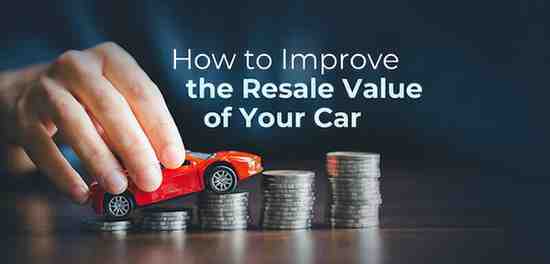
Depreciation is the loss of a car’s value over time. It’s a natural part of owning a vehicle and affects both new and used cars. New cars depreciate the fastest because the market always favors newer models. On average, a car loses 20-30% of its value in the first year, and nearly 50-60% over five years.
Depreciation is influenced by multiple factors, including brand reputation, model demand, mileage, condition, and technology updates. Cars with outdated features, poor fuel efficiency, or a history of recalls lose value faster. Essentially, depreciation reflects what buyers are willing to pay in the market compared to what you originally spent.
Why New Cars Lose Value Immediately
1. The “New Car” Factor
The first reason a car loses value immediately is that it is no longer considered “new” once it leaves the dealership. A car on a dealer lot is in perfect condition, but the moment it is driven, it becomes a used vehicle. Buyers know this, so they will pay less than the retail price for the same car, even if it is barely driven.
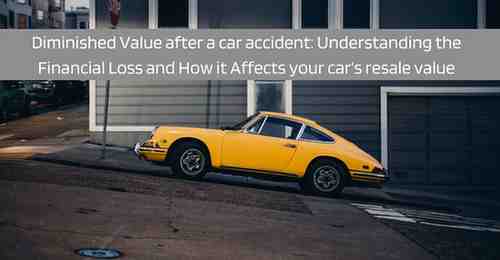
This initial drop in value is often the largest single loss a car owner experiences, and it can range from 10-20% of the purchase price in just the first few days or weeks.
2. Supply and Demand
Car depreciation is also driven by market supply and demand. When a new car is released, many buyers are eager to get it. However, once production continues and more vehicles enter the market, the demand for any single car decreases. Used cars of the same model become available at lower prices, reducing the value of your car almost instantly.
3. Dealer Markups and Incentives
When you buy a car, part of what you pay is dealer markup, manufacturer fees, and taxes. These costs are built into the retail price but do not add to the car’s resale value. Essentially, you are paying more than the actual market value of the car, which contributes to the immediate depreciation.
4. Perceived Wear and Tear
Even minor usage—turning the engine on, driving a few miles, or parking in the sun—makes the car technically used. While the car may look and feel new, potential buyers and insurance companies consider it a used car, lowering its value compared to an untouched model.
5. Technology and Model Updates
Cars are constantly updated with new technology, features, and designs. A model that is brand new today might be considered outdated next year if the manufacturer releases a better version. Buyers are willing to pay less for older technology, which accelerates depreciation.
Factors That Affect Depreciation
Not all cars lose value at the same rate. Several factors determine how fast a car depreciates:
- Brand Reputation: Luxury or high-end brands may hold value better, but some mass-market cars lose value faster.
- Model Popularity: Cars in high demand depreciate slower than models with low popularity.
- Mileage: More miles mean faster depreciation because the car is closer to the end of its useful life.
- Condition: Well-maintained cars retain value better. Scratches, dents, or neglect accelerate depreciation.
- Fuel Efficiency: Gas-hungry cars lose value faster, especially as fuel prices rise.
- Vehicle Type: Sedans may depreciate faster than SUVs or trucks due to changing consumer preferences.
Understanding these factors helps buyers choose cars that hold value better over time, reducing financial losses.
How to Reduce Depreciation
While depreciation is inevitable, you can minimize its impact:
- Buy Used or Nearly New Cars: Cars that are 1-2 years old have already gone through the steepest depreciation, making them a better investment.
- Choose Popular Models: Vehicles with high demand retain value longer.
- Maintain Your Car Well: Regular servicing, keeping the interior and exterior clean, and avoiding accidents all slow depreciation.
- Avoid Excessive Customization: Extreme modifications may reduce resale value.
- Consider Resale Value Before Purchase: Research vehicles with historically high resale value to avoid models that depreciate quickly.
Why Understanding Depreciation Matters
Many buyers focus only on the purchase price, ignoring the total cost of ownership. Depreciation often accounts for more than fuel, insurance, and maintenance combined. By understanding why cars lose value immediately, you can make informed choices about:
- When to buy or sell a vehicle
- Whether to buy new or used
- Which models are smart long-term investments
This knowledge saves money and prevents unpleasant surprises when you want to upgrade or resell your car.
Conclusion
The moment you drive a car off the lot, it loses value, and this is completely normal. Depreciation occurs due to the transition from “new” to “used,” supply and demand dynamics, dealer markups, and technological updates. While it might feel frustrating, understanding depreciation allows car buyers to plan better, choose smarter, and reduce financial loss over time.
By considering resale value, maintaining your vehicle properly, and making informed choices, you can enjoy the benefits of owning a car without being blindsided by its hidden cost. Remember, a car may start losing value the moment you buy it, but with the right strategy, you can minimize the impact and make your investment last longer.