
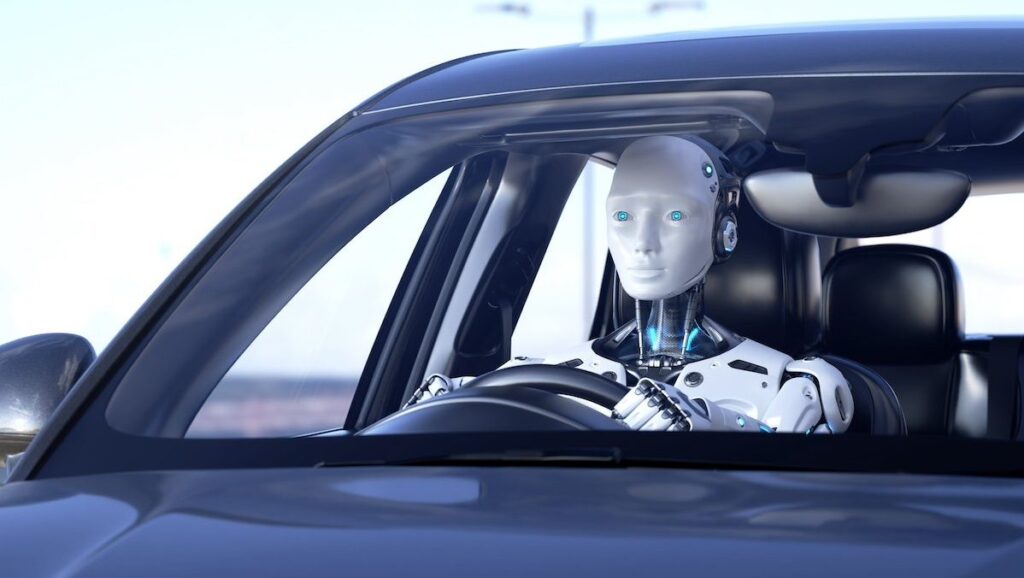
The future of transportation is here. Self-driving cars, also called autonomous vehicles, are no longer a concept from science fiction—they are being tested and used on roads worldwide. These vehicles promise to reduce accidents, improve traffic efficiency, and offer a new level of convenience. However, a big question remains: are humans still needed in the age of self-driving cars?
This article explores the technology behind self-driving cars, the role humans still play, and why complete automation may not be fully practical yet.
What Are Self-Driving Cars?
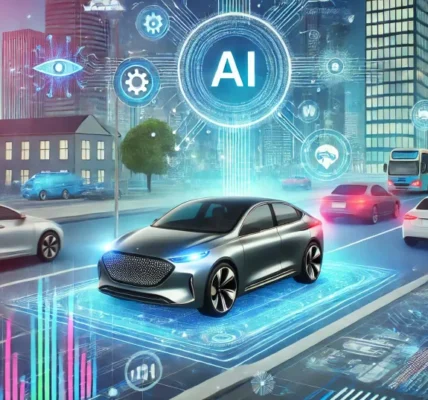
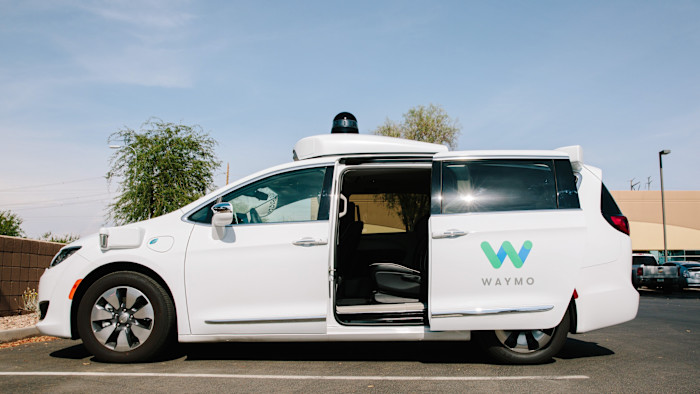
Self-driving cars use a combination of sensors, cameras, radar, LiDAR, and artificial intelligence (AI) to navigate roads without human input. They can detect obstacles, follow traffic laws, and make driving decisions in real time.
There are different levels of automation, from Level 1, which assists humans with features like adaptive cruise control, to Level 5, where no human intervention is needed at all. Most cars on the road today are between Level 2 and Level 3, meaning the driver must remain alert and ready to take control.
How Self-Driving Cars Work
Autonomous vehicles rely on multiple technologies working together:
- Sensors and Cameras: Detect other vehicles, pedestrians, and obstacles.
- LiDAR: Uses lasers to create a 3D map of the surroundings.
- Radar: Measures the speed and distance of objects.
- AI Algorithms: Analyze data from sensors to make driving decisions.
- GPS and Mapping Systems: Provide accurate navigation and route planning.
While these systems are advanced, they still have limitations in extreme weather, unusual road conditions, and unpredictable human behavior.
Benefits of Self-Driving Cars
- Reduced Accidents: Human error causes more than 90% of accidents. Self-driving cars aim to minimize this risk.
- Improved Traffic Flow: Autonomous vehicles can communicate with each other, reducing congestion and optimizing speed.
- Increased Productivity: Passengers can work, rest, or enjoy entertainment while traveling.
- Accessibility: Self-driving cars offer mobility for people unable to drive, such as the elderly or disabled.
These advantages suggest a future where humans might play a smaller role in everyday driving
Why Humans Are Still Important
Despite the promise of full automation, humans are still essential for several reasons:
- Decision-Making in Unpredictable Situations: AI struggles with rare or unusual scenarios, like road construction, erratic drivers, or animal crossings. Human intuition is still crucial.
- Ethical Judgments: In a potential accident scenario, AI must make decisions that involve moral considerations—a challenge where human oversight may be needed.
- Maintenance and Updates: Autonomous cars require regular software updates, troubleshooting, and sensor calibration, which humans must manage.
- Regulatory and Legal Accountability: Currently, laws require a licensed driver in many areas. Humans are needed to take responsibility in case of accidents.
Until AI systems can fully handle all situations safely, humans remain an integral part of driving.
Current Limitations of Self-Driving Cars
- Weather Sensitivity: Heavy rain, snow, fog, or ice can impair sensors and cameras.
- Complex Traffic Conditions: AI struggles with unusual behavior from pedestrians or non-compliant drivers.
- Software Vulnerabilities: Like any computer, autonomous systems are prone to glitches or hacking.
- High Costs: Level 4 and 5 autonomous vehicles are expensive to produce and maintain.
These limitations mean that, for the foreseeable future, human supervision is necessary even in cars that are mostly self-driving.
The Transition Period
Experts predict a gradual transition from human-driven cars to fully autonomous vehicles. During this period, semi-autonomous vehicles will require humans to intervene occasionally. This co-driving model ensures safety while allowing AI to learn from human behavior.
Training humans to trust and understand autonomous systems is another key factor. People need to know when to take control and how to respond in emergencies, making human involvement critical during the transition phase.
The Future Role of Humans
In the next 10–15 years, self-driving technology will continue to advance. Humans may move from drivers to passengers, supervisors, and system managers. Jobs like truck drivers, taxi drivers, and delivery operators may evolve into fleet managers or remote supervisors, monitoring multiple autonomous vehicles from a control center.
Even in fully autonomous cars, humans may still control decisions about routes, stops, or ethical considerations. Human oversight ensures accountability, safety, and adaptability, which AI alone cannot fully guarantee yet.
Conclusion
Self-driving cars are changing the way we travel, making roads safer, traffic more efficient, and driving less stressful. However, humans are still essential. AI can handle many tasks, but human intuition, ethical judgment, maintenance, and supervision remain irreplaceable.
The future will likely involve a partnership between humans and machines, where autonomous technology enhances our driving experience without completely replacing human involvement. While fully driverless cars may exist in limited scenarios, humans will remain a vital part of transportation for decades to come.