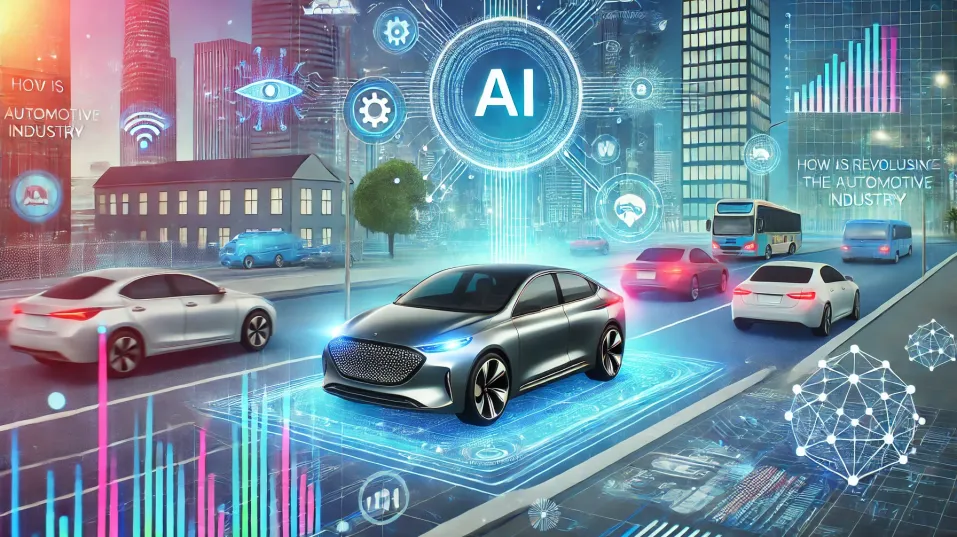

The automotive industry has always been a hub of innovation. From the invention of the assembly line to modern robotic manufacturing, car production has constantly evolved. Today, Artificial Intelligence (AI) is transforming the entire car-building process, making it smarter, faster, and more efficient. AI is no longer a futuristic concept—it is actively shaping how vehicles are designed, manufactured, tested, and even maintained.
AI is helping car manufacturers reduce costs, improve safety, enhance quality, and speed up production cycles. From predicting mechanical failures to designing aerodynamic shapes, AI is revolutionizing every stage of car creation. In the next decade, it’s likely that most cars we see on the road will have been built with significant AI involvement.
This article explores how AI is changing car manufacturing, from design and prototyping to production, quality control, and even sustainability. We will also discuss the challenges, future possibilities, and the impact AI has on workers, technology, and the automotive industry as a whole.
1. AI in Car Design and Engineering
Designing a car is no longer just about aesthetics. Modern vehicles must meet safety standards, fuel efficiency requirements, and consumer preferences. AI is now helping designers create more efficient, functional, and attractive vehicles.
a) Generative Design
One of the biggest breakthroughs in AI-driven car design is generative design. This technology allows engineers to input requirements like weight, strength, and cost into an AI system. The AI then generates thousands of design options within seconds, optimizing for efficiency and performance.
For example, AI can create lightweight car frames that use less material without compromising safety. This leads to better fuel efficiency and lower production costs. Designers can select the best option and refine it, saving months of manual work.
b) Predictive Engineering
AI can simulate real-world scenarios, predicting how a car will perform under different conditions. This includes crash tests, wind resistance, and stress on components. Traditional testing could take weeks, but AI simulations provide instant feedback, allowing engineers to make improvements faster.
2. AI in Production and Assembly
Once a car design is finalized, it enters the production phase. Here, AI is enhancing efficiency, accuracy, and safety.
a) Robotic Assembly Lines
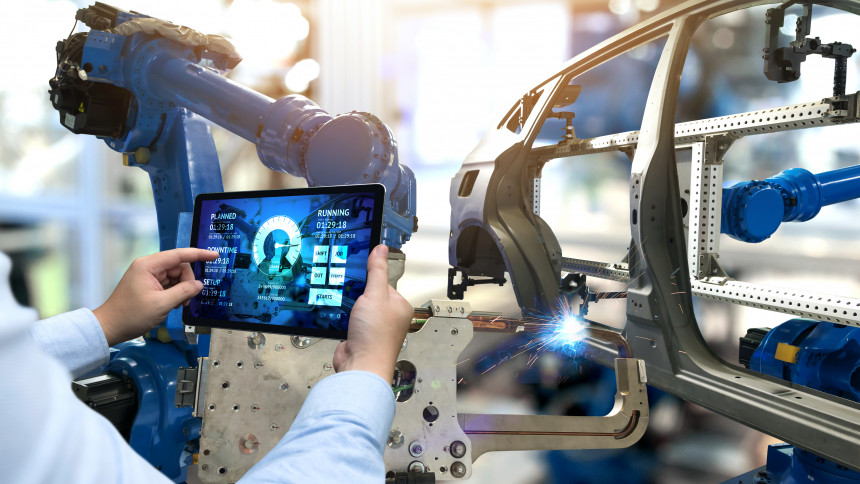
Modern car factories use AI-powered robots to assemble vehicles with high precision. These robots can weld, paint, and install parts faster than humans while maintaining consistent quality. AI enables robots to adapt to small variations, ensuring fewer mistakes.
b) Real-Time Monitoring
AI systems monitor the production line in real time, detecting issues like defective parts, misalignments, or delays. For example, if a bolt is improperly tightened, AI can flag it immediately, preventing defective vehicles from moving down the line.
This reduces waste, improves quality, and ensures that cars leaving the factory are safe and reliable.
3. AI in Supply Chain Management
Building a car involves thousands of parts sourced from multiple suppliers. AI is revolutionizing supply chain management by:
- Predicting Demand: AI analyzes market trends and predicts which parts will be needed, reducing overstock or shortages.
- Optimizing Inventory: AI ensures that the right parts are delivered at the right time, minimizing production delays.
- Reducing Costs: AI identifies inefficiencies in logistics, such as unnecessary shipping routes or delays, saving money and time.
An efficient AI-powered supply chain ensures that car production stays smooth, even in complex global markets.
4. AI in Quality Control
Quality control has always been critical in car manufacturing. AI now allows manufacturers to detect defects faster and more accurately than ever.
a) Vision Systems
AI-powered cameras can inspect every car component for imperfections. They detect issues like paint scratches, panel misalignment, or faulty wiring, which humans might miss.
b) Predictive Maintenance
AI can analyze data from machines on the production line and predict when maintenance is required. This prevents unexpected breakdowns and keeps production running smoothly.
5. AI in Safety Testing
Safety is a top priority in car manufacturing. AI is transforming how cars are tested:
- Crash Simulations: AI models millions of crash scenarios in seconds, predicting how different car designs perform in collisions.
- Virtual Testing: AI allows engineers to test new features like airbags, seatbelts, and structural reinforcements virtually before physical prototypes are built.
- Adaptive Safety Features: AI is also used to develop smart safety systems in the car itself, like collision avoidance, lane-keeping assistance, and adaptive cruise control.
6. AI in Autonomous and Smart Vehicles
AI is the core technology behind self-driving cars. Car manufacturers now build vehicles with AI-assisted driving systems, including:
- Object Recognition: AI helps cars identify pedestrians, cyclists, and other vehicles.
- Decision-Making: AI systems analyze data from sensors and decide when to brake, accelerate, or change lanes.
- Learning from Data: Autonomous cars improve over time by learning from millions of miles of real-world driving.
Even during production, AI ensures that autonomous systems are calibrated correctly and function safely.
7. AI in Sustainability and Green Manufacturing
Environmental concerns are pushing car manufacturers to adopt sustainable production methods. AI helps in several ways:
- Material Optimization: AI designs car parts using minimal materials without compromising strength.
- Energy Efficiency: AI monitors energy usage in factories, reducing electricity and emissions.
- Recycling and Waste Management: AI identifies ways to recycle materials like plastics, metals, and batteries, making production more eco-friendly.
By integrating AI, manufacturers can reduce their carbon footprint while producing high-quality vehicles.
8. AI in Predictive Analytics for Customer Needs
AI is not just changing production—it’s transforming how cars are made for customers. Manufacturers use AI to analyze:
- Consumer Preferences: AI studies buying patterns, color trends, and feature demand.
- Market Predictions: AI predicts future car trends, helping manufacturers plan production.
- Customization: AI can suggest personalized features for customers, such as seating layouts, infotainment preferences, or performance packages.
This ensures that cars meet exact customer needs while minimizing overproduction.
9. AI in Reducing Human Errors
In traditional car manufacturing, human error can cause delays, defects, or safety issues. AI reduces these risks by:
- Automating repetitive tasks: Robots handle welding, painting, and assembly.
- Monitoring human work: AI assists workers by guiding them and preventing mistakes.
- Continuous Improvement: AI analyzes data from the factory to improve processes and reduce errors over time.
This not only improves efficiency but also ensures higher-quality cars.
10. Challenges of Using AI in Car Manufacturing
While AI offers enormous benefits, it comes with challenges:
- High Initial Costs: Implementing AI systems and robotics requires significant investment.
- Skill Requirements: Workers need training to manage AI systems effectively.
- Cybersecurity Risks: AI systems are vulnerable to hacking, which can disrupt production or compromise safety.
- Ethical and Legal Concerns: Decisions made by AI in self-driving cars or production processes must be accountable.
Despite these challenges, the long-term benefits of AI far outweigh the risks.
11. Future Trends
The future of AI in car manufacturing is bright:
- Fully Automated Factories: Some factories may operate almost entirely without human intervention.
- AI-Driven Materials: AI could discover new alloys and composites for stronger, lighter cars.
- Smart Collaboration: AI and humans will work together, combining machine precision with human creativity.
- Faster Innovation Cycles: AI will accelerate research and development, bringing new car models to market faster than ever.
In the next 10 years, cars will be smarter, safer, greener, and more personalized thanks to AI.
Conclusion
AI is no longer just a futuristic idea—it is actively transforming how cars are built. From design and prototyping to production, safety testing, and customer personalization, AI is making car manufacturing faster, more efficient, and more innovative.
While challenges exist, the combination of AI and human expertise ensures that the automotive industry can produce higher-quality, safer, and more environmentally friendly vehicles. In the coming decade, cars will not only look different but will also function smarter, all thanks to AI.
The age of AI-driven car manufacturing is here, and it is only getting started. As technology evolves, the cars we drive will reflect the precision, intelligence, and innovation that AI brings to the automotive world.