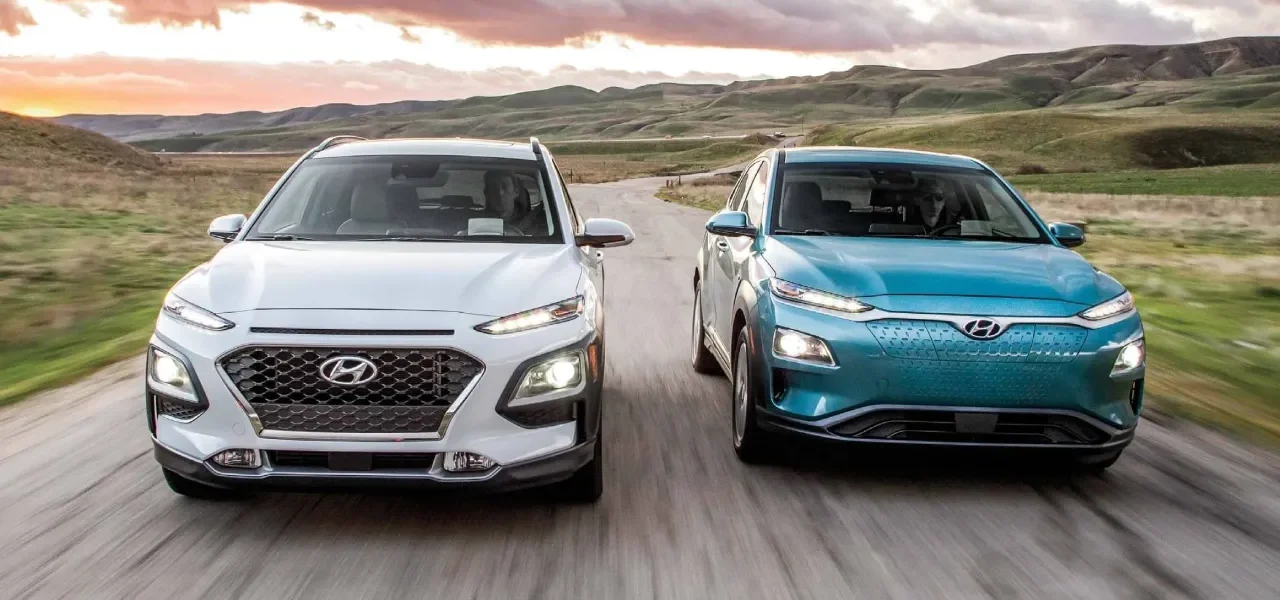

The world of automobiles is rapidly changing, and at the heart of this transformation is the rise of electric vehicles (EVs). With concerns about climate change, rising fuel prices, and air pollution, electric cars are gaining popularity like never before. Governments around the world are encouraging EV adoption through incentives, tax breaks, and stricter emission standards, while major car manufacturers are investing billions of dollars in electric vehicle technology. Every year, new electric models are introduced with longer battery life, faster charging, and smarter technology.
But the question that many people ask is: will electric cars completely replace petrol and diesel cars in the future? While EVs offer many benefits such as lower running costs, zero emissions, and smooth performance, there are still challenges to overcome. Issues like charging infrastructure, battery disposal, initial purchase cost, and range anxiety are some hurdles slowing down full adoption. Moreover, in many regions, petrol cars are still deeply integrated into daily life, from fuel stations to repair shops.
This article will explore the current trends in electric vehicles, the challenges they face, and whether it is realistic to expect a complete replacement of petrol cars in the coming decades. By understanding both sides, we can get a clear picture of the future of transportation.
Why Electric Cars Are Gaining Popularity
Electric cars are increasingly seen as a green alternative to traditional petrol cars. Unlike petrol vehicles, EVs produce zero tailpipe emissions, which significantly reduces air pollution in cities. They are also cheaper to maintain because electric motors have fewer moving parts than combustion engines. Many EVs now come with advanced features like regenerative braking, smart connectivity, and autonomous driving capabilities, making them more attractive to modern consumers.
Furthermore, technological advancements in battery storage have extended the driving range of electric cars, while charging stations are expanding globally. Many governments are setting ambitious targets to phase out petrol and diesel cars, which encourages both manufacturers and consumers to transition to electric vehicles.
Challenges Slowing Full Adoption
Despite their advantages, electric cars face several challenges:
- Charging Infrastructure: In many areas, EV charging stations are still limited. Long trips can be inconvenient if charging points are scarce.
- Battery Limitations: Batteries are expensive, heavy, and degrade over time. Producing enough batteries for millions of cars requires significant raw materials.
- Cost: Although running costs are lower, electric cars often have higher purchase prices than petrol cars, making them less accessible to many buyers.
- Range Anxiety: Even with improved batteries, many drivers fear running out of charge during long journeys.
- Energy Source Concerns: If electricity comes from non-renewable sources, the environmental benefit of EVs decreases.
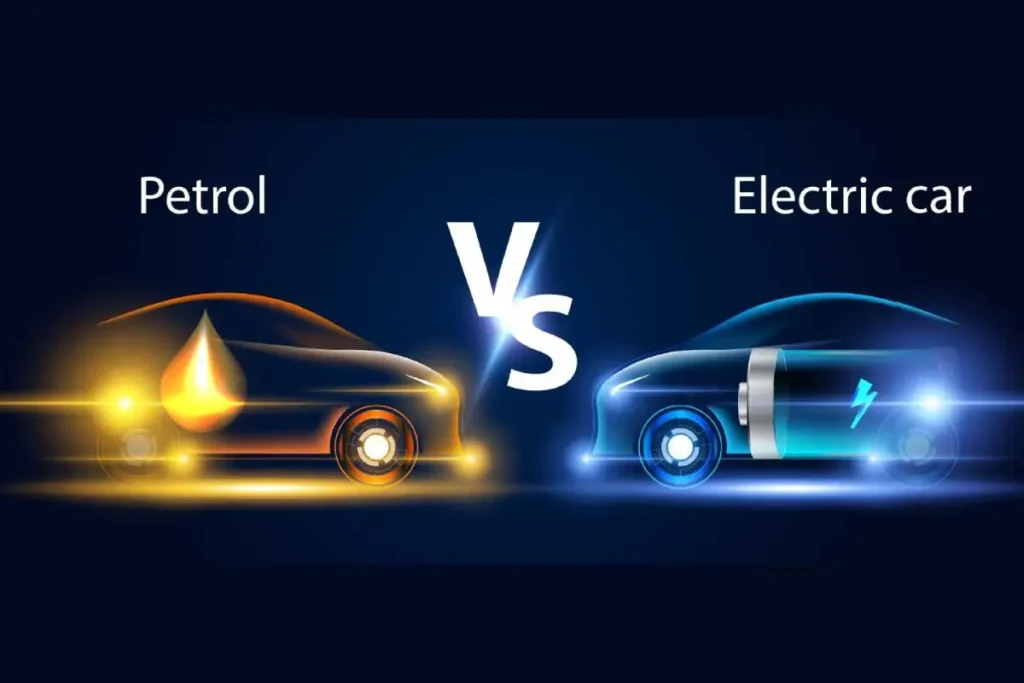
Petrol Cars Are Not Going Away Immediately
Petrol and diesel cars still dominate the market for several reasons. Existing infrastructure, such as fuel stations and repair networks, is designed around combustion engines. Many people in rural areas rely on petrol vehicles due to limited access to charging points. Also, certain vehicles like trucks, buses, and heavy machinery still rely heavily on petrol or diesel for their power and range requirements.
Even in urban areas, petrol cars remain a practical choice for those who cannot afford high-end electric models or need vehicles with long-range reliability.
The Likely Future of Transportation
Instead of a sudden replacement, experts predict a gradual transition where electric cars will increasingly dominate urban areas, while petrol cars will remain in use for longer-range travel or heavy-duty applications. Hybrid cars, which combine petrol and electric power, are likely to bridge this gap for the next 10–20 years.
Governments, manufacturers, and technology companies are all working to solve challenges like battery costs, charging speed, and raw material shortages. Once these hurdles are addressed, electric vehicles could become the primary choice for most consumers worldwide.
Conclusion
Electric cars are undoubtedly the future of transportation, offering cleaner, smarter, and more efficient mobility. However, complete replacement of petrol cars will take decades due to infrastructure, cost, and practical limitations. For the foreseeable future, petrol, diesel, hybrid, and electric cars will coexist, gradually shifting the market towards a greener future.
By understanding both the potential and limitations of EVs, drivers and policymakers can make informed choices to support sustainable transportation without rushing the transition. The shift is inevitable, but it will be gradual, strategic, and phased, rather than an overnight replacement of petrol cars.