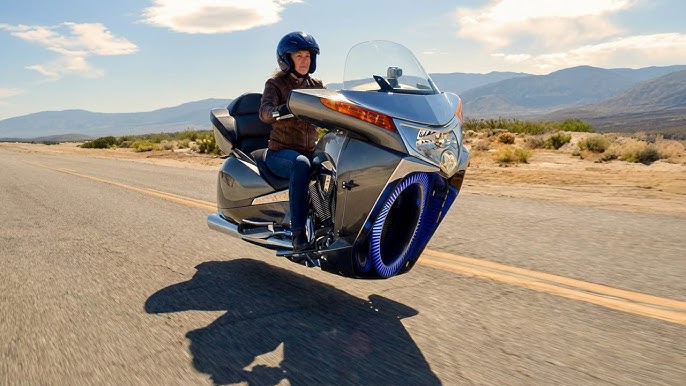

Imagine a world where traffic jams, long commutes, and crowded roads are a thing of the past. This vision is closer to reality than many people think, thanks to the concept of flying cars. For decades, flying cars were considered science fiction, appearing only in movies and futuristic stories. Today, advances in technology, battery power, and autonomous navigation are making them a real possibility.
Flying cars have the potential to revolutionize urban transportation, providing faster, more flexible, and environmentally friendly ways to move around cities. They could reduce traffic congestion, shorten commute times, and even reshape the way cities are designed. However, integrating flying cars into everyday life comes with challenges, including safety regulations, air traffic management, and infrastructure development.
This article explores how flying cars could transform urban transportation forever, the benefits they offer, the challenges they face, and what the future may hold for cities around the world.
What Are Flying Cars?
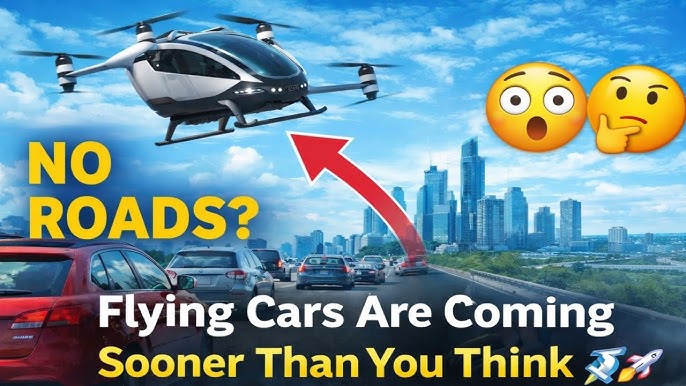
Flying cars are vehicles capable of both driving on roads and flying in the air. Most designs resemble small aircraft or drones, equipped with vertical takeoff and landing (VTOL) capabilities. Some are fully electric, while others use hybrid engines, allowing them to operate efficiently without relying heavily on fuel.
Unlike helicopters or drones, flying cars are designed for personal or small group transportation, offering the flexibility to move seamlessly between ground and air travel. This dual functionality is what makes them revolutionary for urban environments.
Benefits of Flying Cars in Urban Transportation
1. Reduced Traffic Congestion
One of the most significant advantages of flying cars is their ability to bypass ground traffic entirely. Cities around the world suffer from gridlock, causing long commute times and lost productivity. Flying cars can travel over crowded streets, reducing congestion and freeing up road space for essential vehicles like buses, emergency services, and freight trucks.
2. Faster Commutes
Flying cars can take direct routes, avoiding traffic lights, intersections, and roundabouts. This could drastically reduce travel time, especially for long commutes within and between urban areas. Imagine traveling across a city in minutes instead of hours—a convenience that could reshape how people live and work.
3. Flexible Transportation
Flying cars provide unmatched flexibility, allowing users to choose routes freely without relying on fixed public transport schedules. This could make commuting, deliveries, and emergency services faster and more efficient, especially in densely populated areas.
4. Environmental Benefits
Many flying car designs are electric or hybrid, reducing reliance on fossil fuels and lowering emissions. Compared to traditional cars stuck in traffic, flying vehicles could reduce urban air pollution and contribute to greener cities. Additionally, fewer ground vehicles mean less road wear and lower maintenance costs for urban infrastructure.
5. Enhanced Emergency Services
Flying cars could transform emergency transportation, enabling faster response times for ambulances, police, and fire services. They could bypass traffic jams and reach remote or congested areas quickly, potentially saving lives in critical situations.
Challenges of Integrating Flying Cars
While the benefits are promising, there are significant challenges to widespread adoption of flying cars:
1. Air Traffic Management
Unlike roads, the airspace above cities is largely unregulated for small vehicles. Introducing flying cars requires new air traffic control systems to prevent collisions, ensure safe distances, and coordinate multiple vehicles simultaneously.
2. Safety Regulations
Flying cars must meet strict safety standards to protect passengers and pedestrians. Crashes could be catastrophic, so robust safety measures, automatic collision avoidance systems, and reliable vehicle construction are essential.
3. Noise Pollution
Although electric flying cars are quieter than helicopters, multiple vehicles in urban airspace could generate significant noise pollution. Engineers will need to design solutions to minimize sound impact on city residents.
4. Infrastructure Needs
Flying cars require landing pads, charging stations, and maintenance facilities. Cities may need to redesign rooftops, parking areas, and transit hubs to accommodate vertical takeoff and landing vehicles.
5. Cost and Accessibility
Currently, flying cars are expensive and mostly limited to early adopters or commercial use. Making them affordable for everyday commuters will be a challenge, and widespread adoption may take decades.
The Future of Urban Transportation with Flying Cars
Flying cars could reshape cities in ways we have never seen before:
- Decentralized Living: People may choose to live further from work, as commuting becomes faster, reducing urban density.
- Smarter City Design: Roads may become narrower with fewer lanes, while rooftops and elevated platforms become hubs for VTOL vehicles.
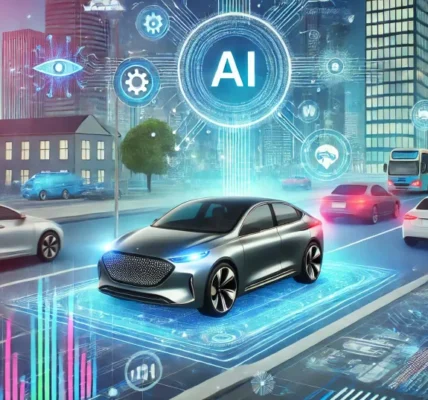
- Integration with AI: Autonomous flying cars could navigate complex air traffic, ensuring safety and efficiency.
- New Industries: A flying car ecosystem would create jobs in manufacturing, maintenance, air traffic management, and urban planning.
By combining speed, flexibility, and reduced environmental impact, flying cars could create a new era of urban mobility.
Conclusion
Flying cars are no longer just a dream—they are emerging as a real solution to urban transportation challenges. With the potential to reduce traffic congestion, shorten commute times, and transform emergency services, they could revolutionize the way we live and move in cities.
However, the journey is not without obstacles. Air traffic management, safety regulations, noise pollution, infrastructure, and affordability are challenges that must be addressed before flying cars become a common sight.
Despite these challenges, the future is exciting. As technology advances and cities adapt, flying cars could forever change urban transportation, creating faster, smarter, and greener cities for generations to come.
The era of urban air travel is on the horizon, and understanding its potential now allows us to prepare for a future where the sky is truly the limit.